
My massage therapist and I joked at one of my appointments how:
Once you start menstruating, everything that’s “wrong with you” is blamed on your period. Once you stop menstruating, every symptom is blamed on menopause.
It’s funny because it’s often true. And because we’re told many of our complaints are menopause-related, we don’t consider other underlying health issues.
What are the Signs & Symptoms of Osteoporosis?
While osteoporosis is called the silent disease or the sneaky thief because of its lack of prominent symptoms, there are indicators that may be missed or blamed on menopause or something else entirely.
According to the Mayo Clinic:
“There often are no symptoms in the early stages of bone loss. But once osteoporosis weakens your bones, you might have symptoms of a fracture that include:
- Back pain caused by a broken or collapsed bone in the spine.
- Loss of height over time.
- A stooped posture.
- A bone that breaks much more easily than expected.” 1
Carolina Regional Orthopaedics has this to say:
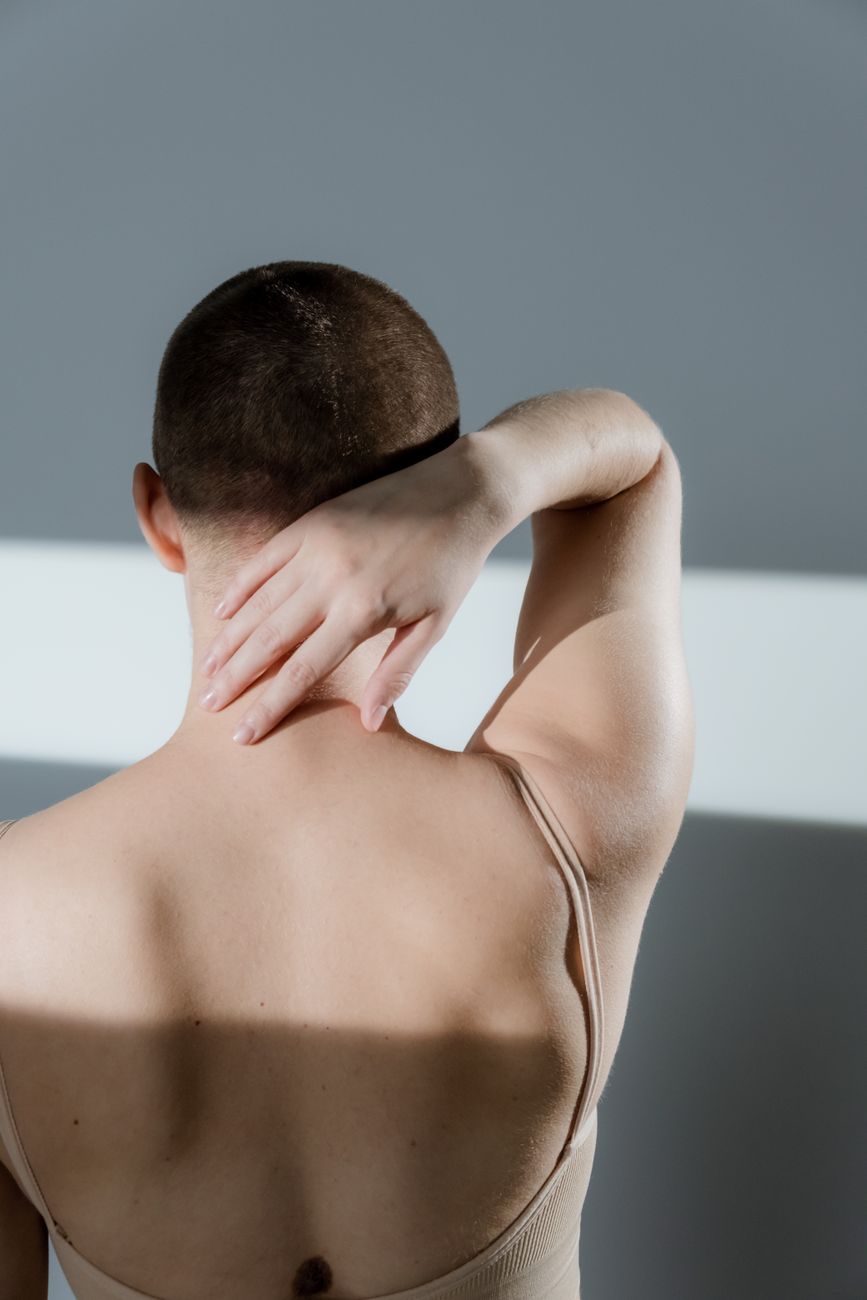
Back and Neck Pain
“Regular muscle cramps and pain are a well-known early symptom of osteoporosis. As Vitamin-D is the most important bone builder, its deficiency causes back or neck pain and cramps. But cramps that occur at night often signify that the calcium, magnesium, and/or potassium levels in blood have dropped too low. If this situation were to persist over time, excessive bone loss could occur.
The pain caused by spinal osteoporosis can affect many activities of your daily living. The pain can range from a sudden, sharp, and severe pain from walking or simply standing, to pain and difficulty when you twist, turn, or bend.” 2
Curious! It appears osteoporosis may be not such a silent disease after all.
I injured my cervical spine in the gym 10 years ago. I spent years trying to relieve the pain in my neck. In fact, the pain continued for so many years longer than it should have (even now) that I’ve had several x-ray series to explore cervical instability. At no time did it occur to me (or my doctors) that decreasing bone density may also be at play in my neck pain.
According to Osteoporosis Canada:
“Muscle spasms are also known to cause pain in people with osteoporosis. They are the result of nerves being pinched as one’s muscles tense to protect the joints, and in turn the bones.” 3
The body has intelligence. It’s up to us to listen and respond accordingly. But often we don’t know what we’re listening for.
Osteoporosis Canada continues:
“An accurate diagnosis of your pain is very important. More chronic back pain is caused by degenerative disc disease or osteoarthritis than by osteoporosis. With an accurate diagnosis, you will be better able to develop a pain management program that works for you.”
We know that many women experience joint pain in menopause, and it’s often written off to, “It’s just menopause.” And while the same mechanism may apply to both the pain and the osteoporosis (reduced estrogen), if we don’t know to turn our attention to bone health, we may simply think we can ride-out the menopause symptoms.
The opportunity pain presents:
Treating joint pain is not just about comfort. It is an opportunity to check and protect long-term bone health.
Listen to your body. Talk to your doctor.
That so-called sneaky thief may be leaving more clues than we realize.
Much love,
Stephanie
Subscribe to the blog to receive the daily posts right in your inbox.
You are also welcome to subscribe to my monthly newsletter:

1 https://www.mayoclinic.org/diseases-conditions/osteoporosis/symptoms-causes/syc-20351968
2 https://www.crortho.com/general-orthopaedic/5-alarming-symptoms-of-osteoporosis/

